
Table of Contents
Toggle1. What is the “Pookie Bear” Sound? (Definition & Vibe)
“Pookie Bear” is a soft, affectionate phrase turned meme sound, typically delivered in an overly sweet or clingy tone. In soundboard culture, it’s used both genuinely (cute) and ironically (cringe/funny).
Vibe Breakdown:
- Over-the-top affection: intentionally too sweet
- Irony-driven humor: funny when used in the wrong context
- Mock romance: exaggerates “couple energy”
- Emotional contrast: soft audio in chaotic situations
It works best when:
- Someone acts unexpectedly affectionate
- You want to mock “lovey-dovey” behavior
- A tough or serious character gets a soft label
2. Origin & Viral Spread (E-E-A-T)
“Pookie Bear” has long existed as a nickname in English-speaking culture, but it became a meme through short-form content on platforms like TikTok and YouTube.
Why it went viral:
- Universally recognizable phrase
- Easy to parody and exaggerate
- Works in both wholesome and ironic edits
Meme Evolution:
- Common in:
- Couple memes
- “POV relationship” edits
- Troll soundboards
- Often paired with:
- Cute music
- Sudden tonal contrast
- Reaction faces
3. Viral Editing Playbook (Creative Coaching)
Golden Timing Rule:
Drop “Pookie Bear” right when affection feels out of place or exaggerated.
Scenario 1: Gaming Clip
- Situation: aggressive gameplay moment
- Edit:
- Player yelling or raging
- Cut suddenly
- “Pookie Bear” plays
Scenario 2: Daily Vlog
- Situation: friend does something normal
- Edit:
- Call them “Pookie Bear” randomly
- Capture their reaction
- Add subtitle for emphasis
Scenario 3: Storytelling / TikTok
- Situation: describing a “toxic” situation
- Edit:
- Build tension
- Reveal person
- Insert “Pookie Bear” ironically
Pro Editing Tips:
- Keep audio clean and slightly louder than dialogue
- Add light reverb for softness
- Combine with:
- Soft zoom-in
- Heart stickers or ironic overlays
- Sudden contrast cuts
- The joke works best through contrast, not repetition
4. Multi-Platform Technical Guide
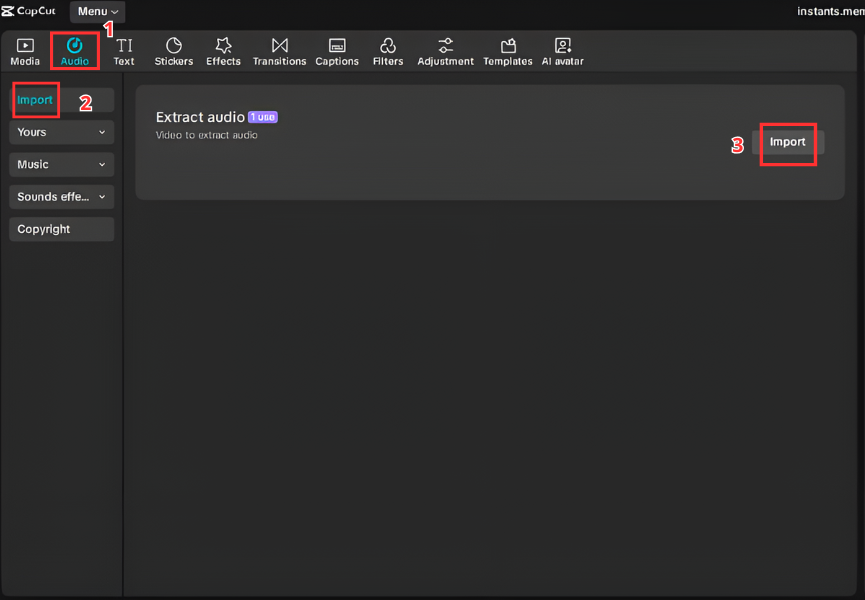
A. For Video Editors (CapCut & Premiere)
Steps:
- Import video and “Pookie Bear” sound
- Drag audio into timeline
- Place at key contrast moment
- Trim tightly
- Adjust gain for clarity
B. For Streamers & Gamers (Discord & OBS)
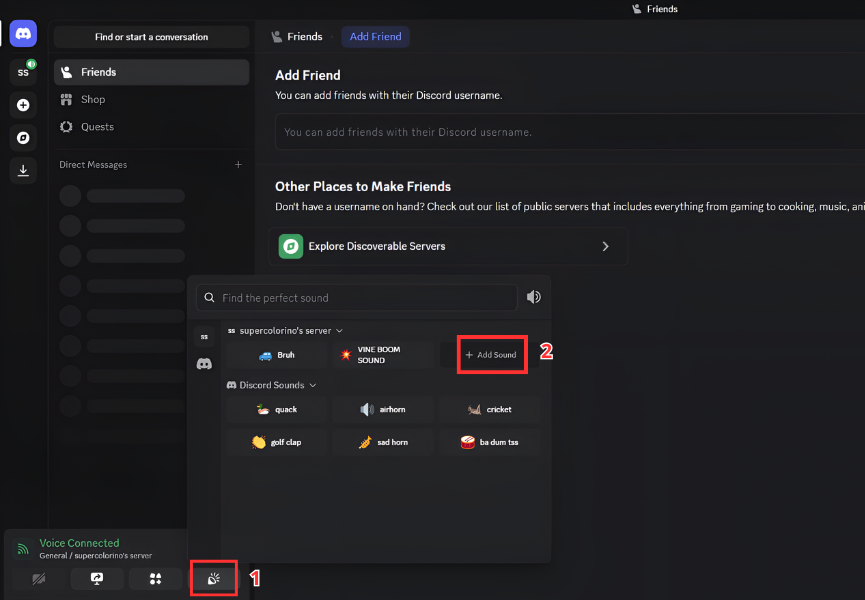
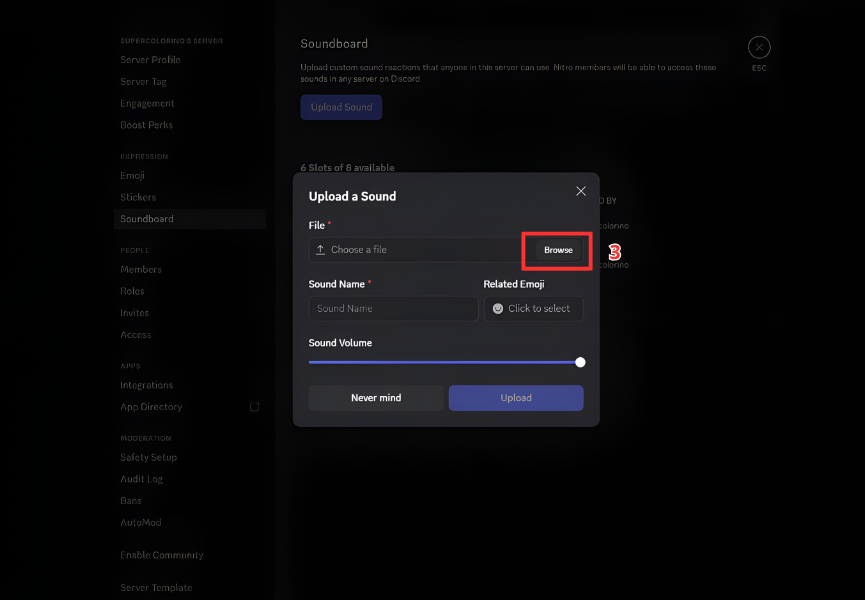
Discord:
- Upload sound to server soundboard
- Assign to quick-access button
OBS:
- Add Media Source
- Load sound file
- Set hotkey for instant playback
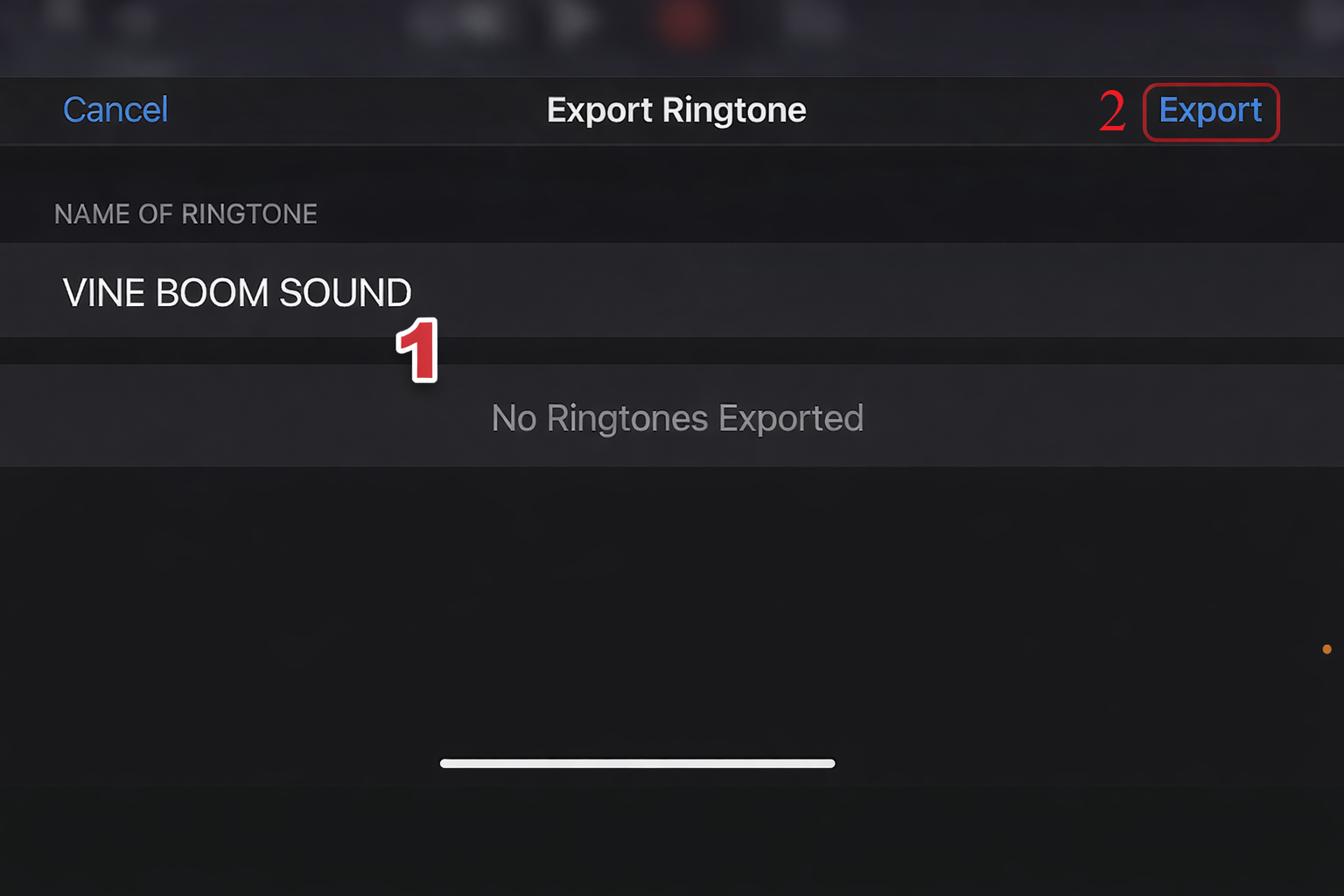
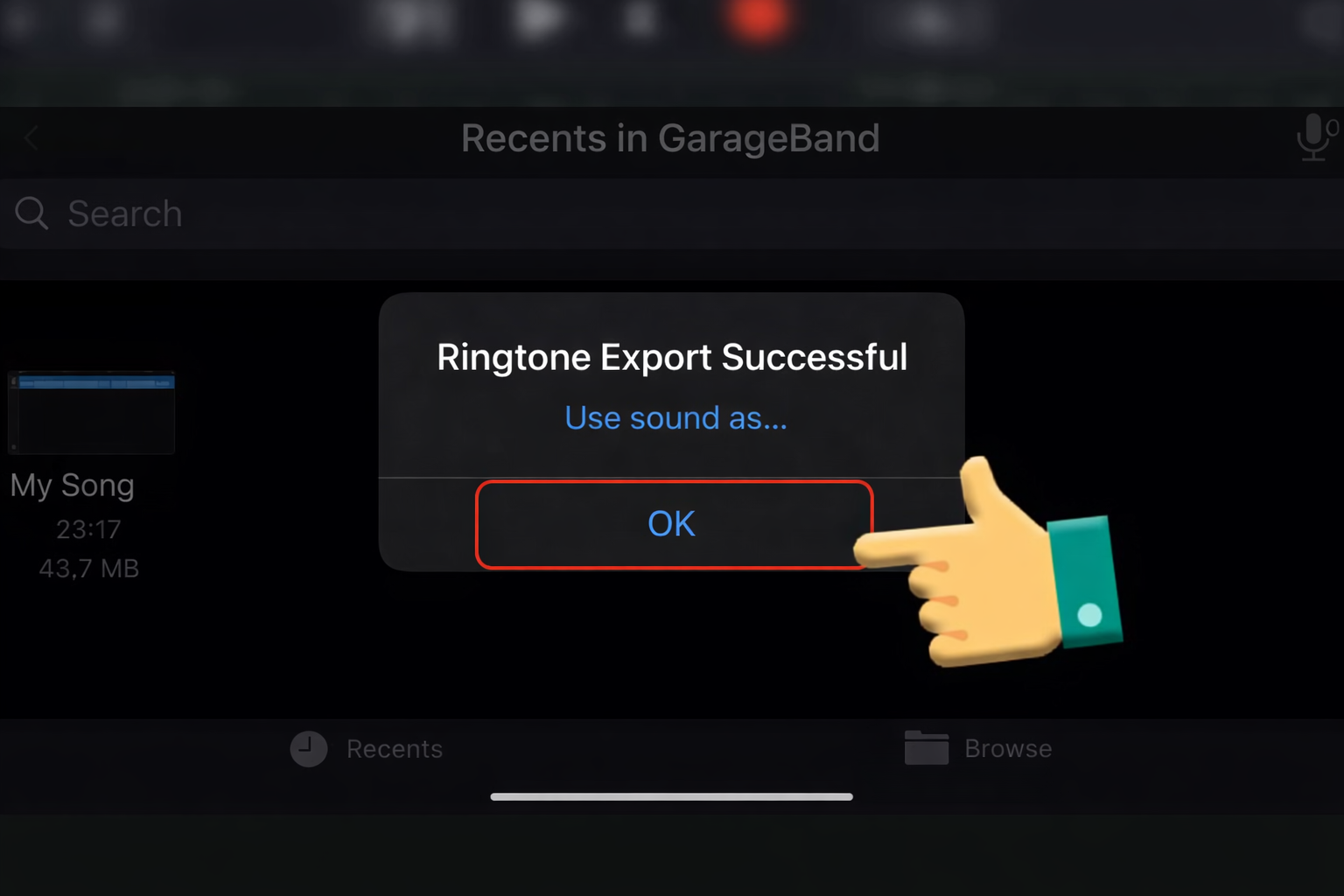
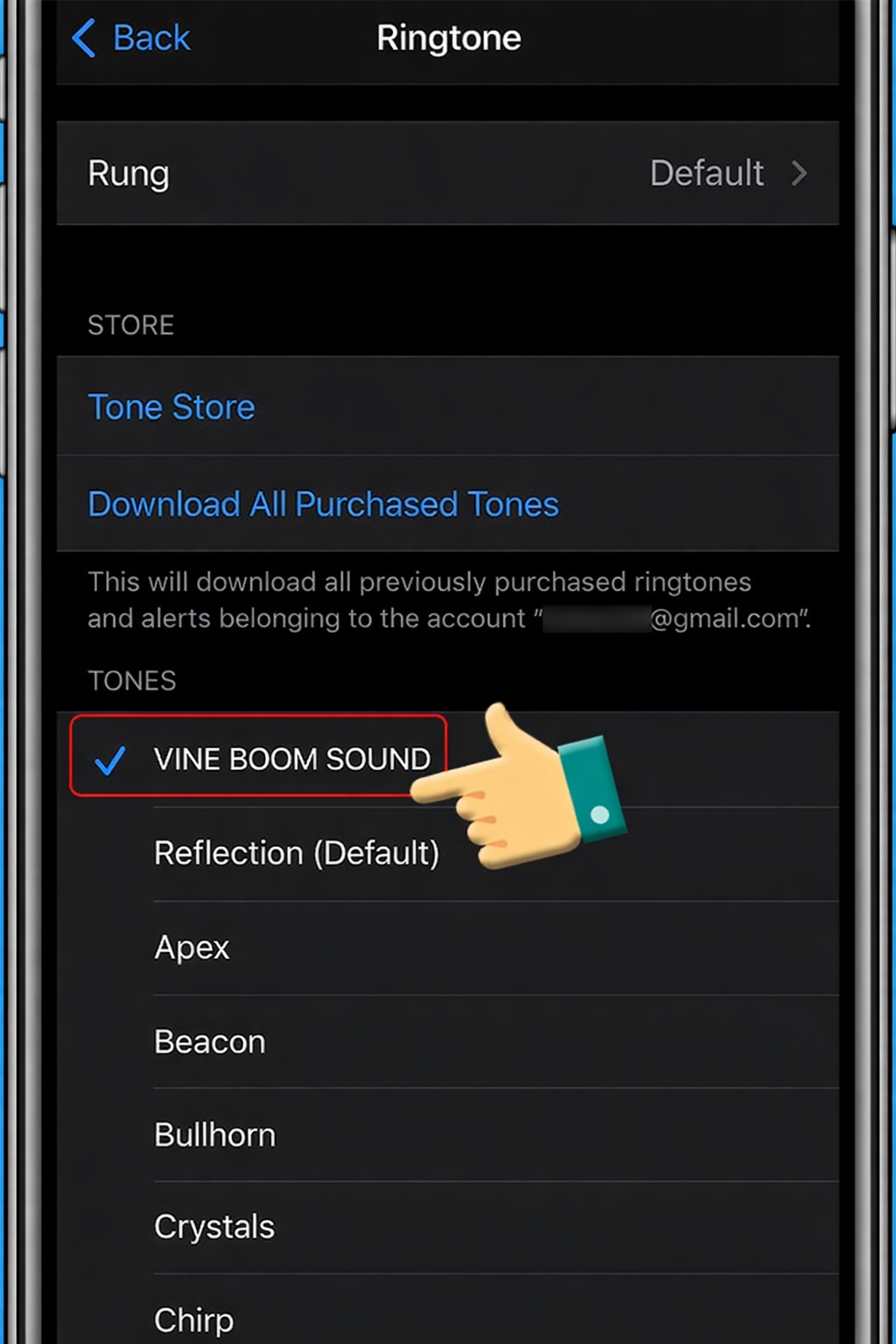
C. For Mobile (Ringtone & Notifications)
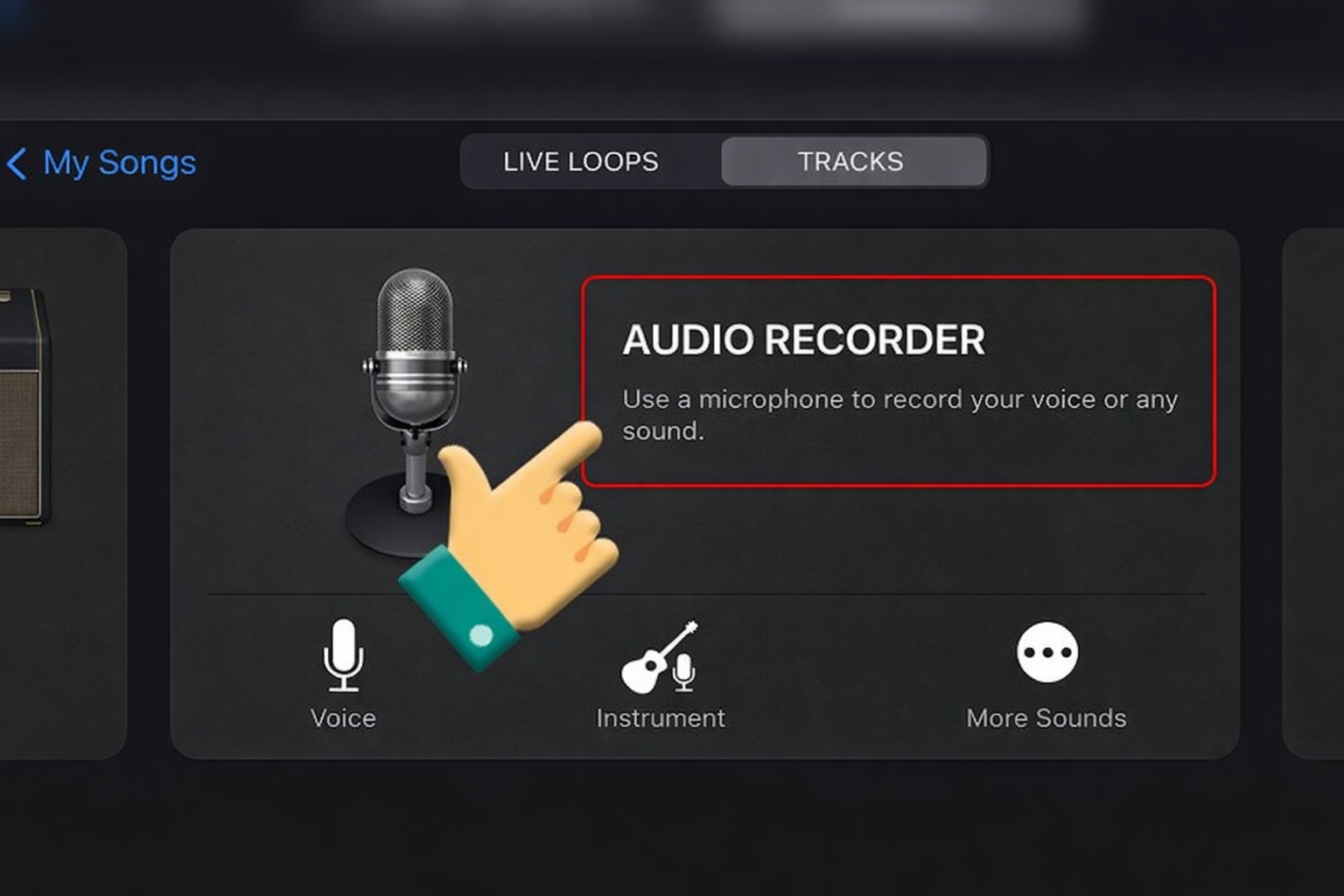
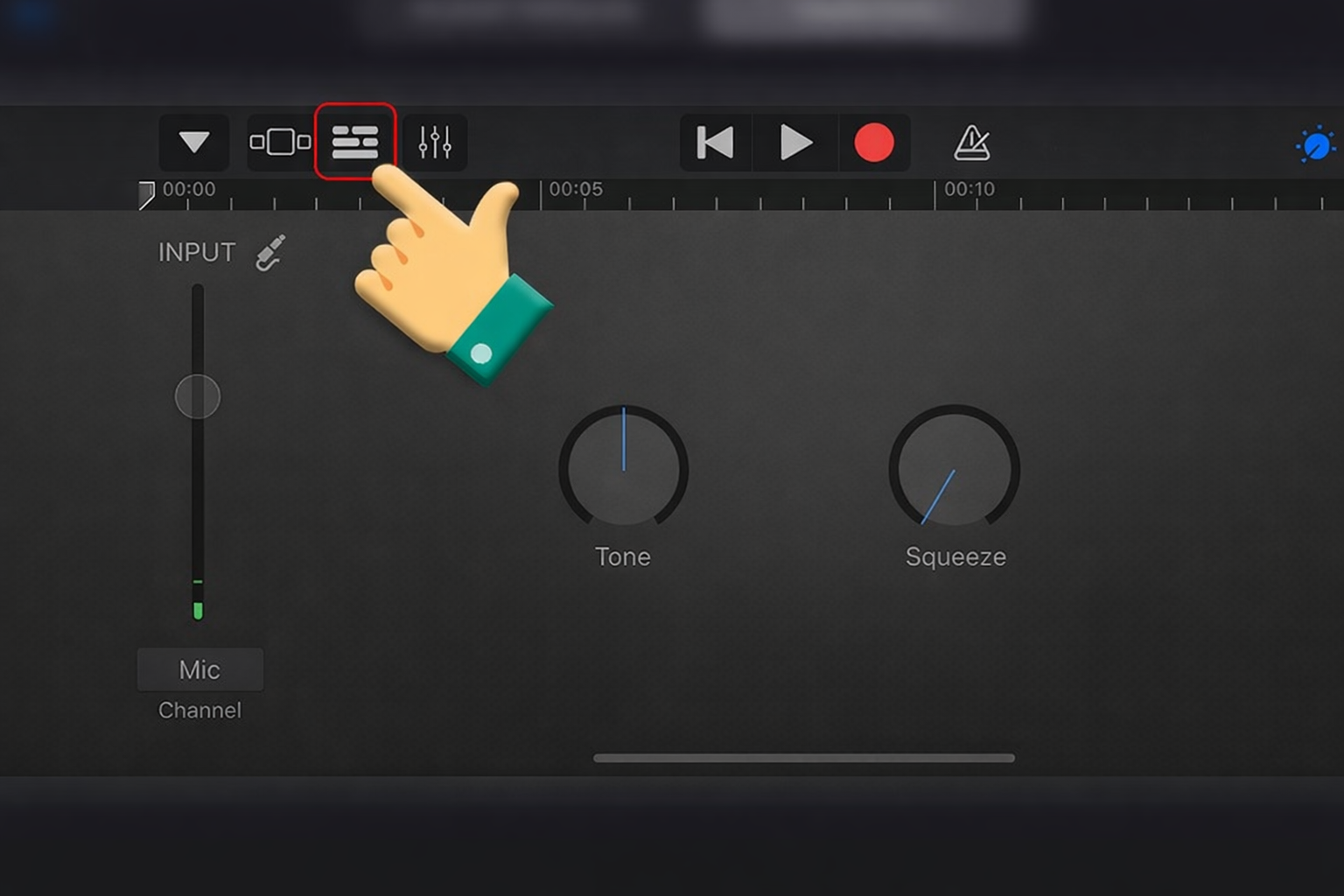
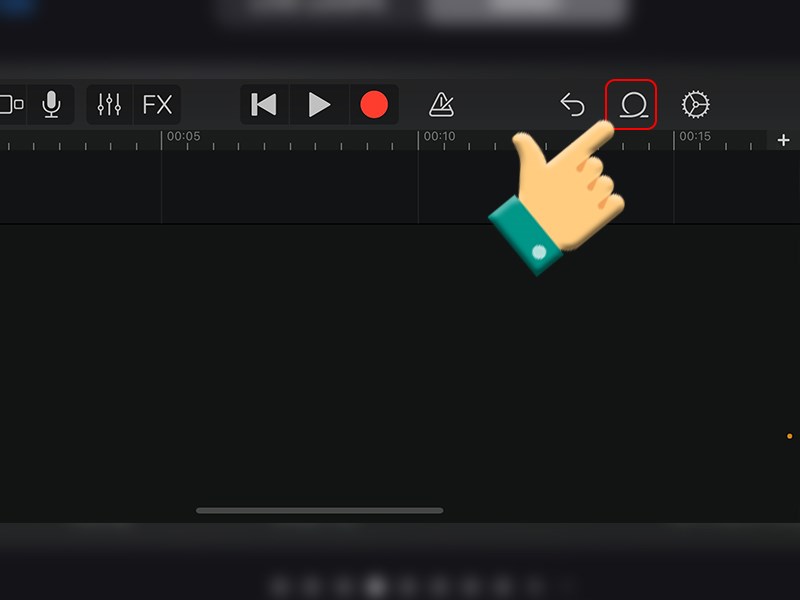
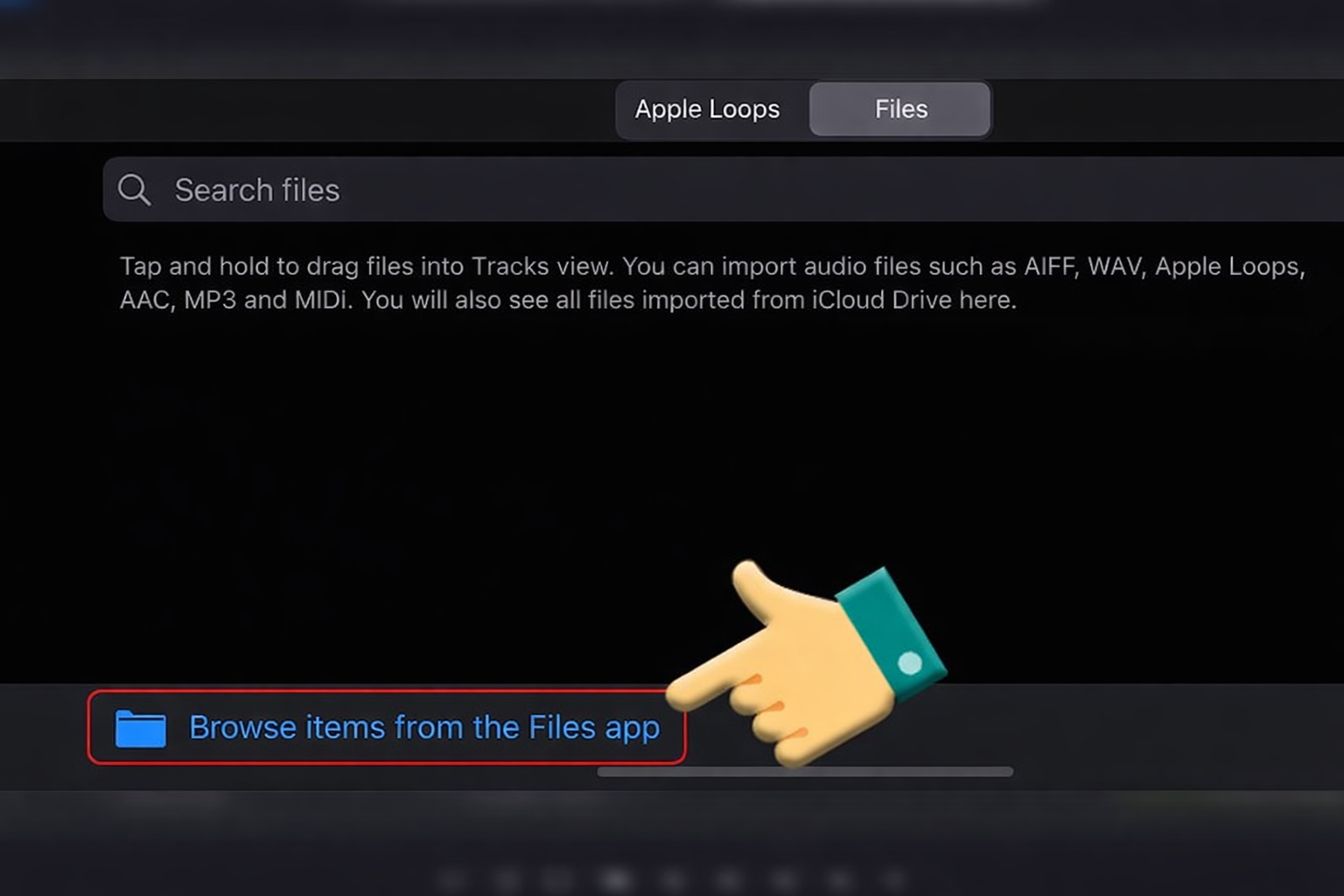
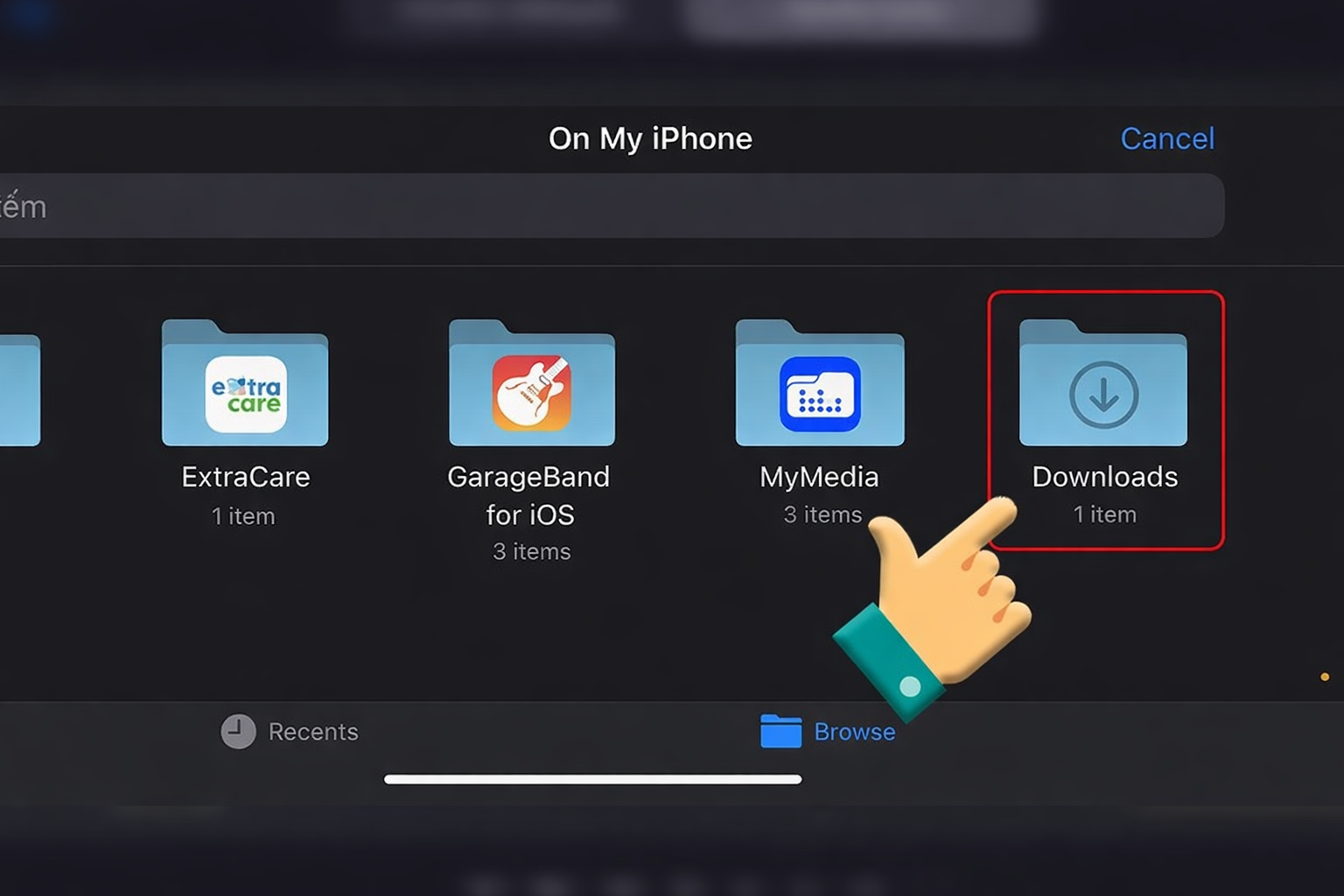
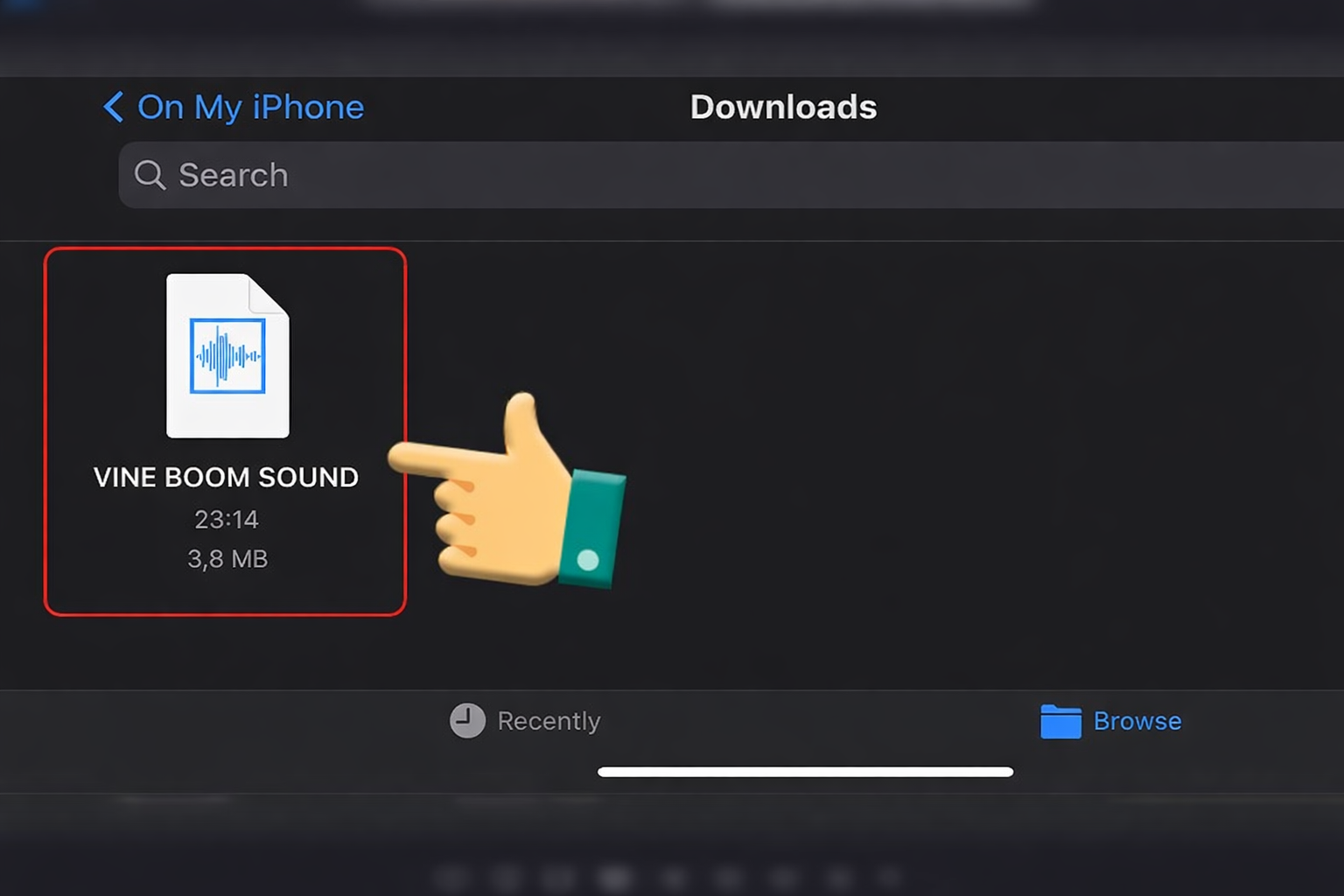
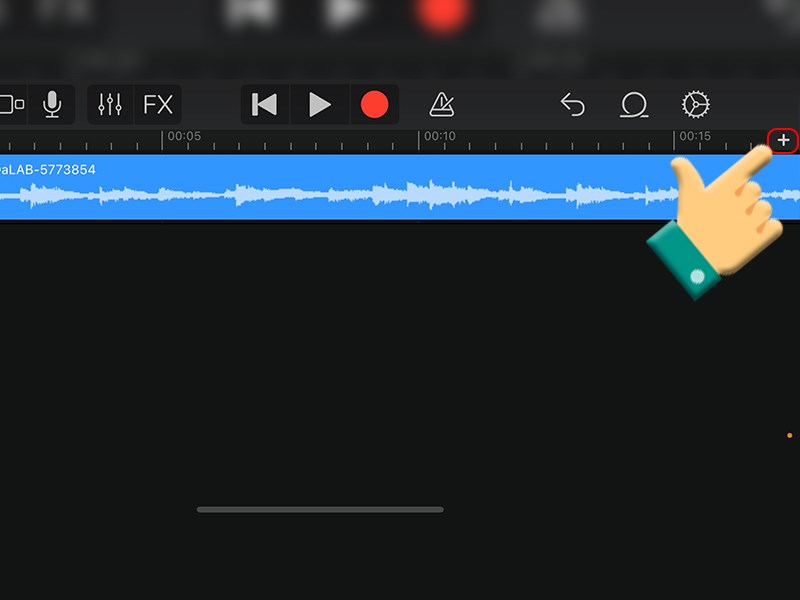
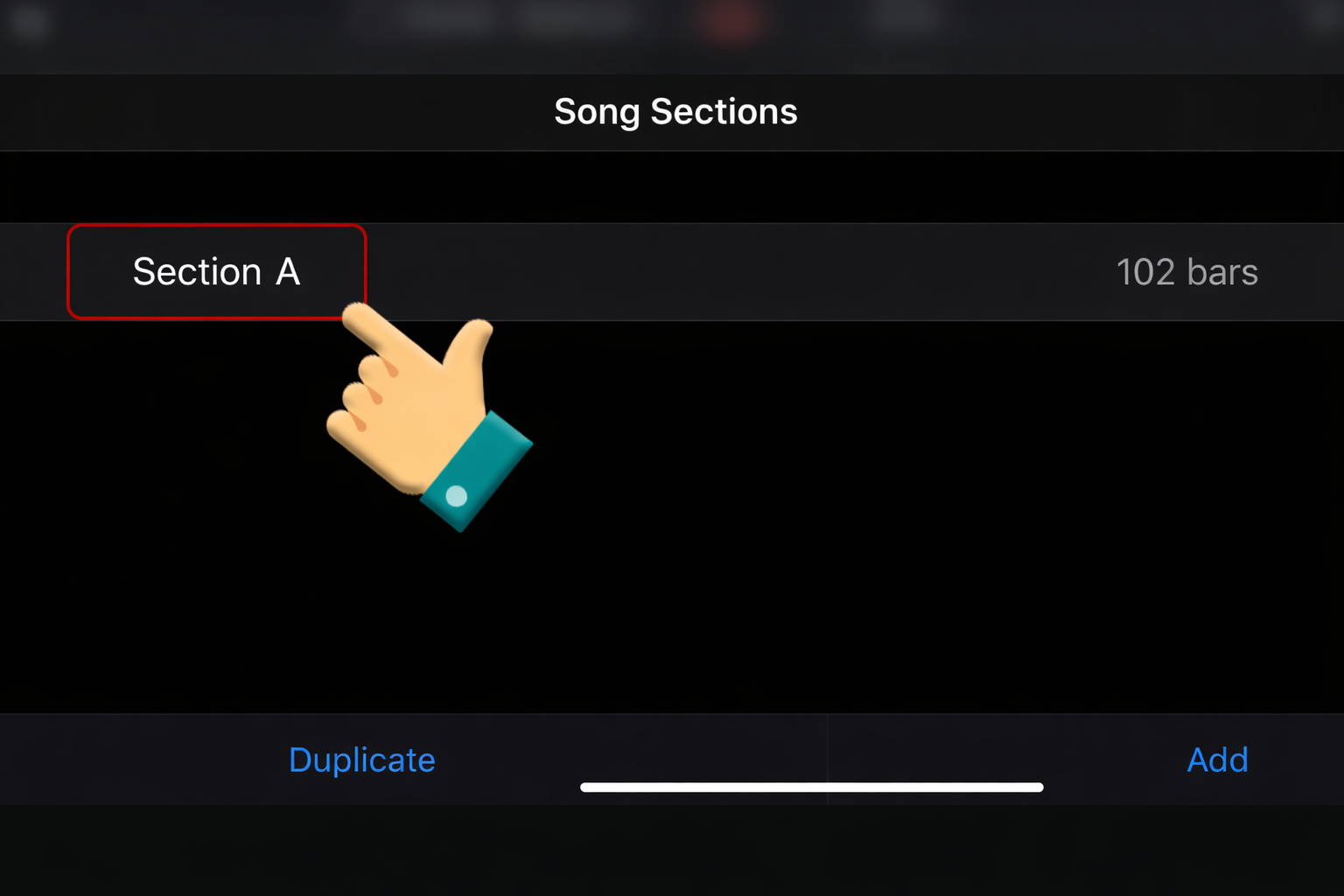
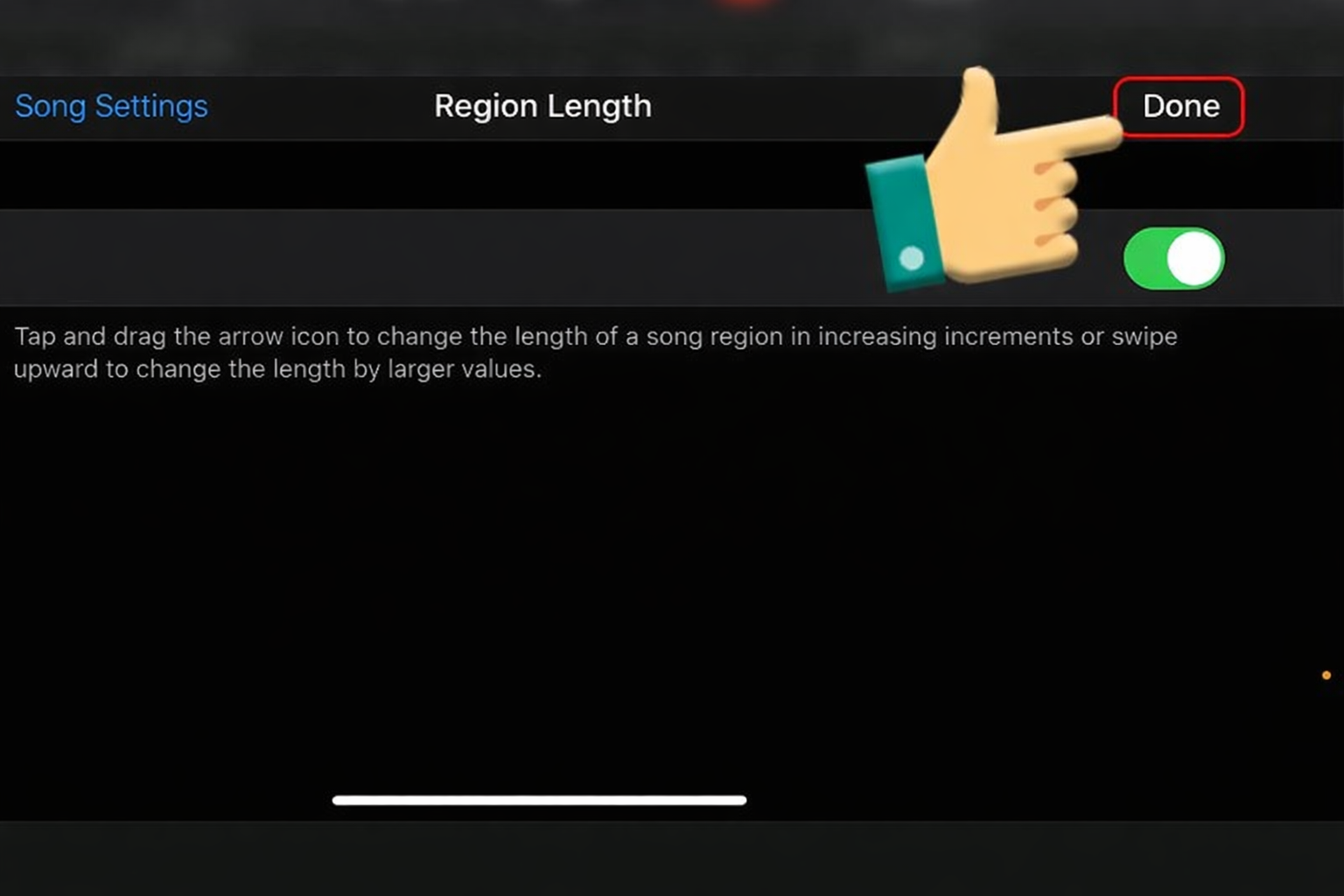
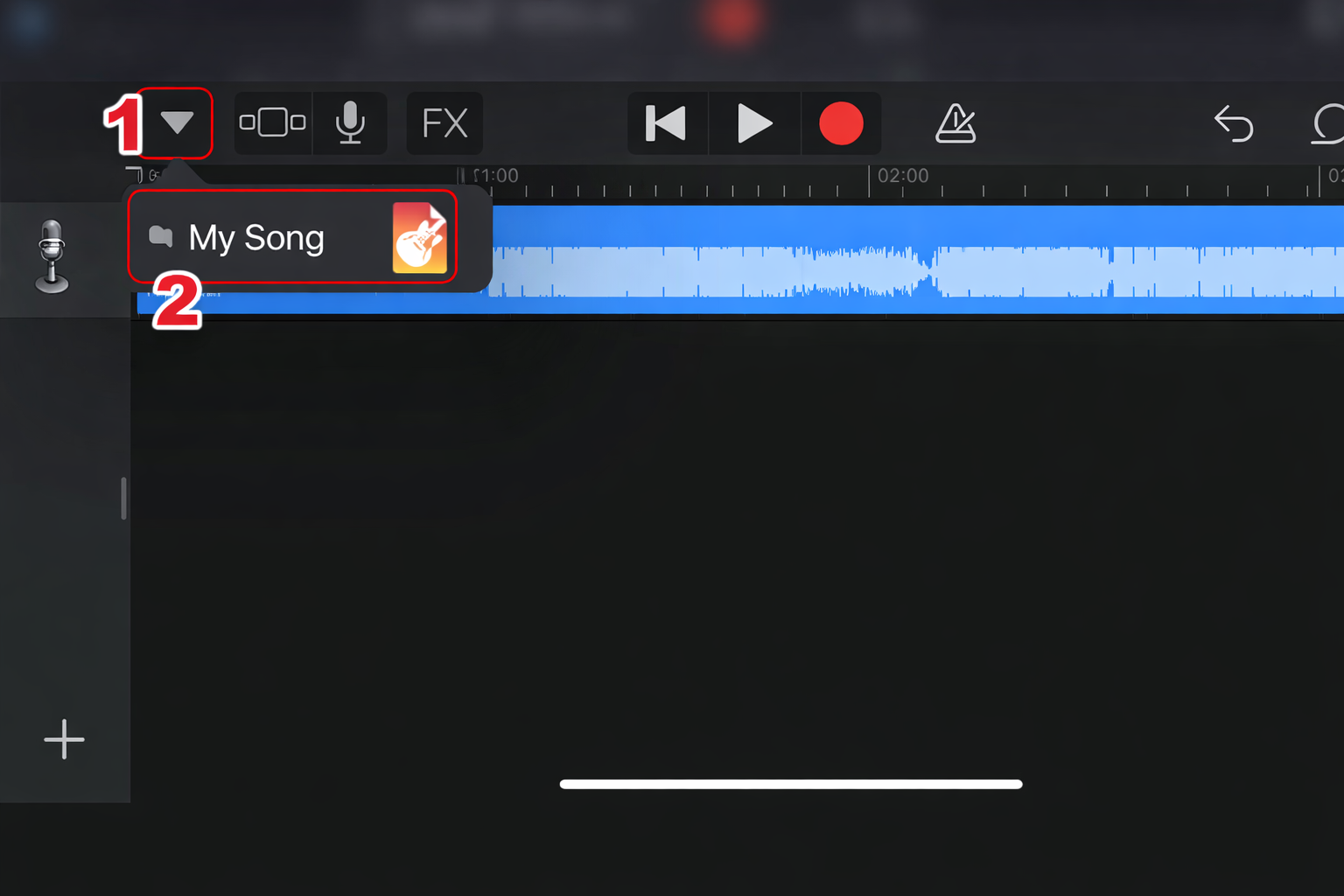
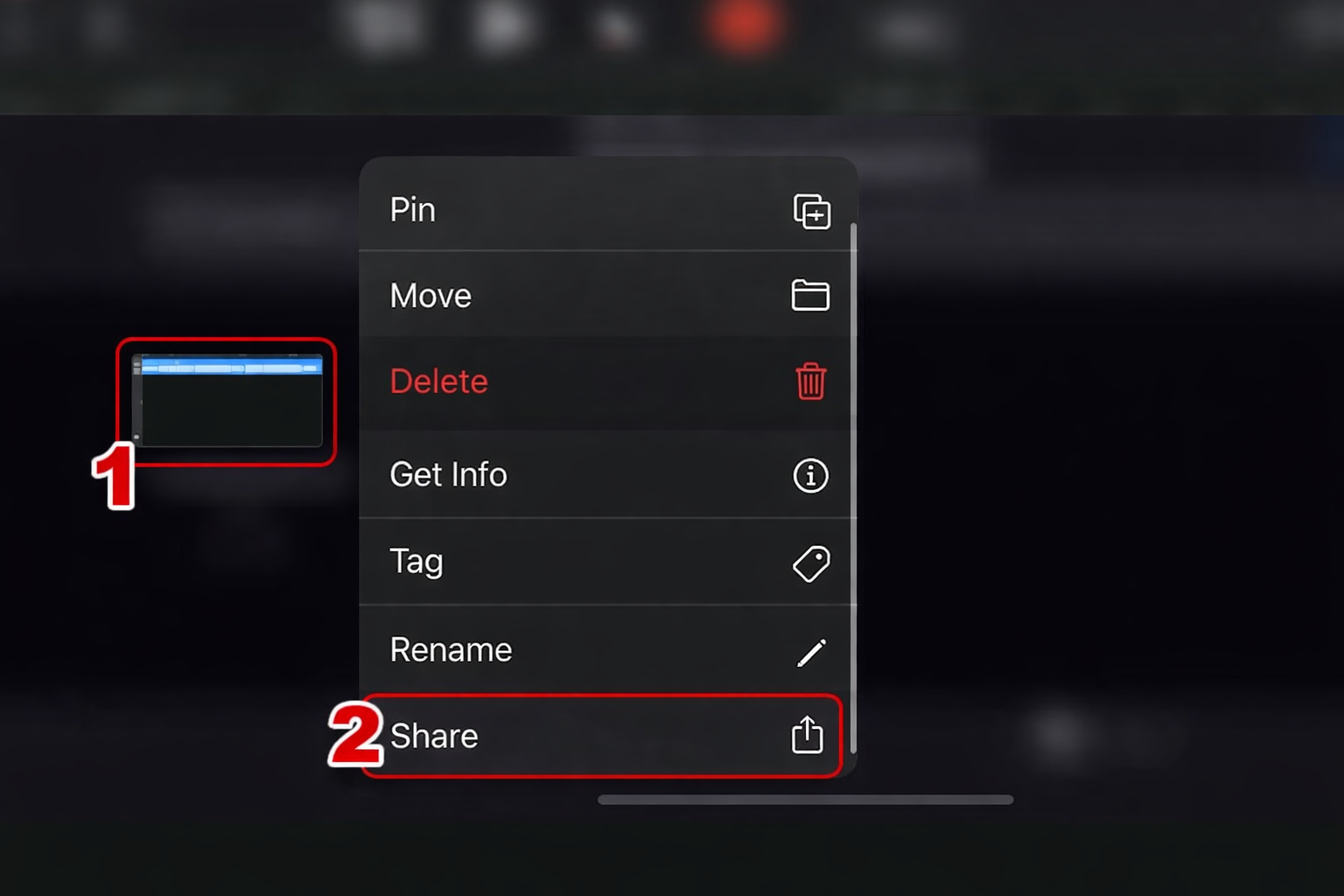
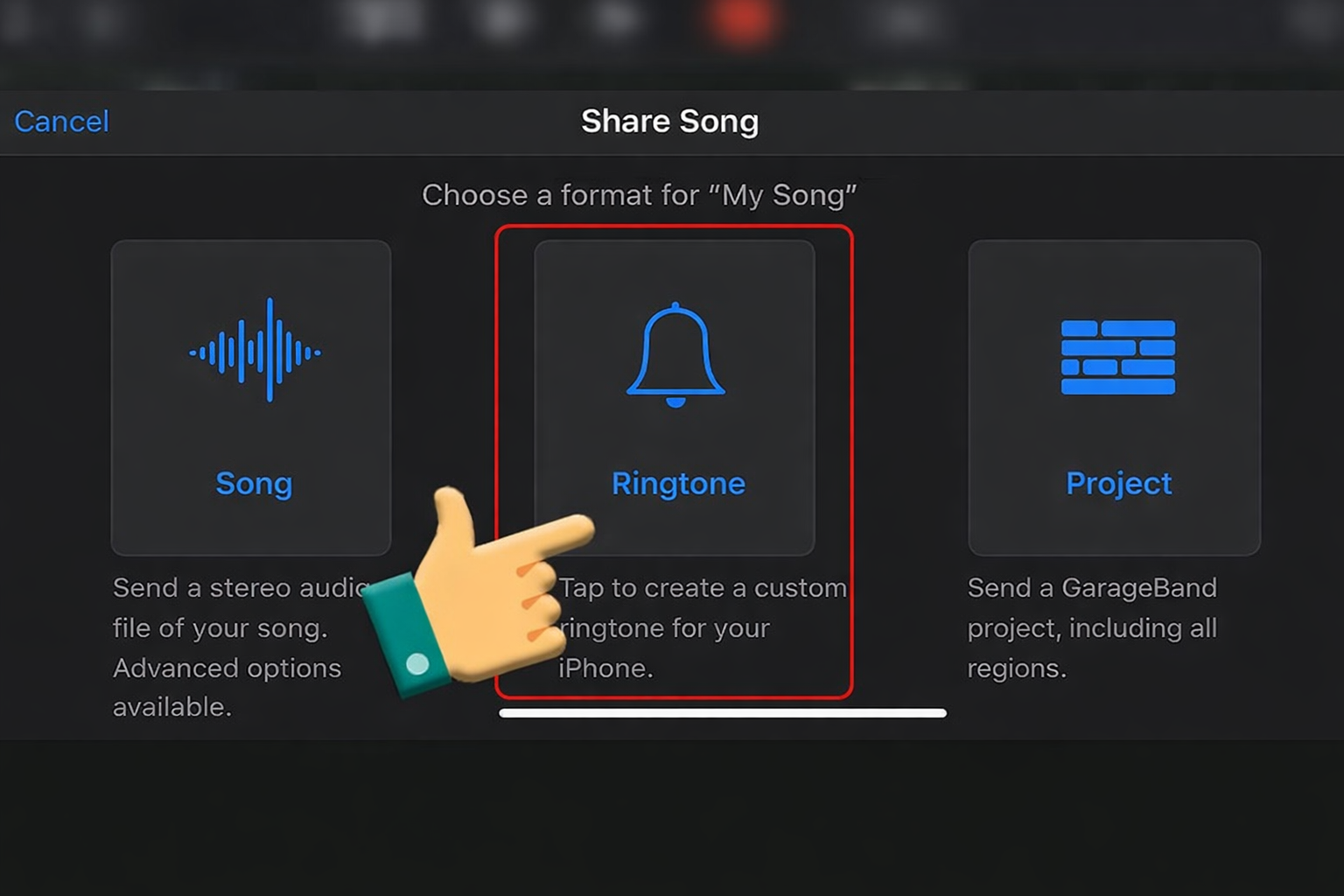
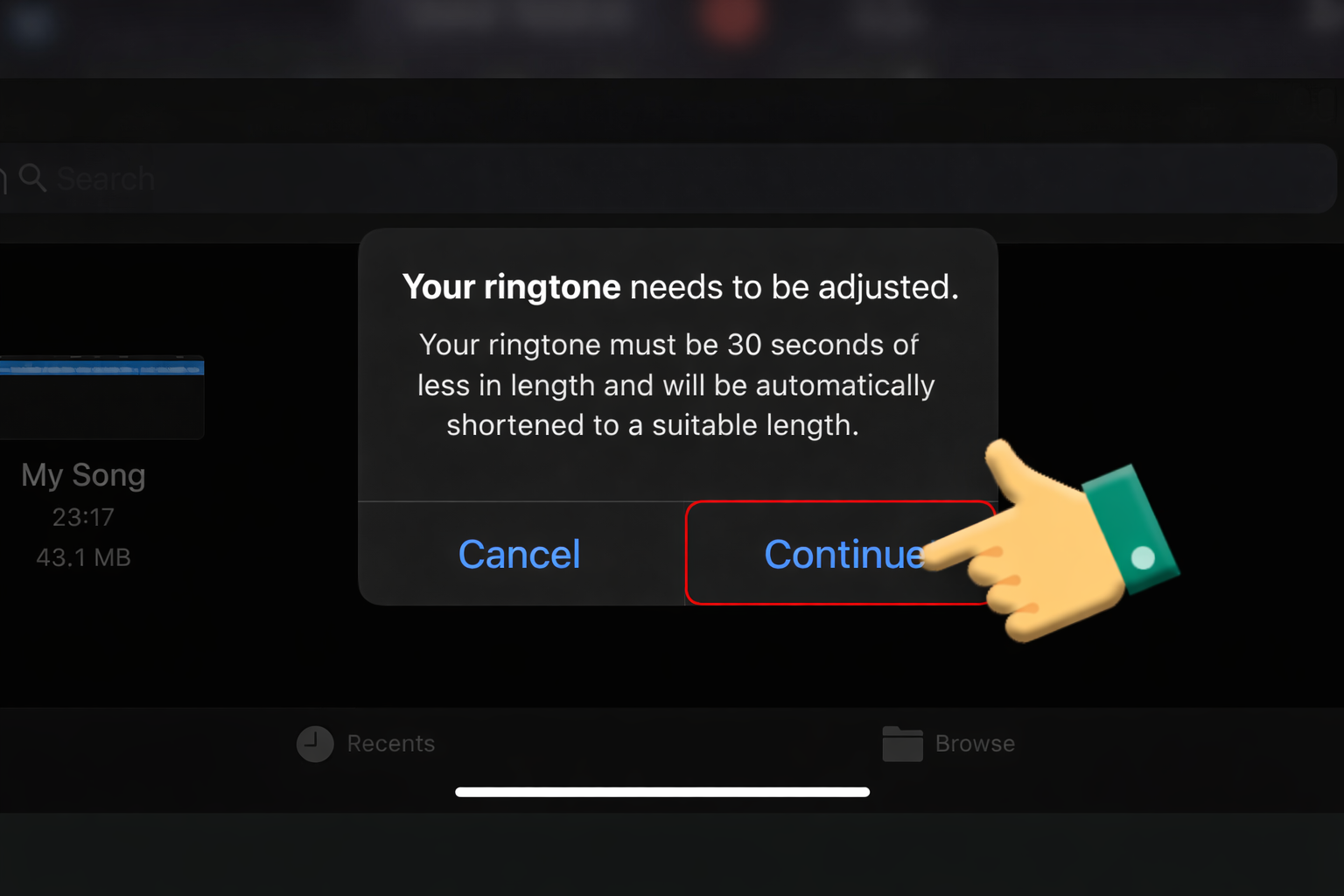
iPhone (via GarageBand):
- Import audio
- Trim to short length
- Export as ringtone
Android:
- Move file to Ringtones folder
- Set as ringtone or notification
5. Variations & When to Use Them
| Version | Use Case | Effect |
|---|---|---|
| Original Soft | Genuine or ironic affection | Cute / awkward |
| High Pitch | Extra cringe or chaotic edits | Absurd humor |
| Slowed + Reverb | Dramatic “romantic” parody | Overly emotional |
| Echo Version | Emphasizing awkward silence | Comedic tension |
6. FAQ (Rich Snippet Ready)
What does “Pookie Bear” mean?
It’s a cute nickname used to express affection, often exaggerated in memes.
Can I use this sound in videos?
Yes, but check licensing if used commercially.
What are similar sounds?
- “Baby girl” meme audio
- Cute nickname voice clips
- Romantic parody sounds
Final Take
“Pookie Bear” is a contrast-based meme tool.
Its strength comes from placing soft, affectionate energy into completely unexpected situations.